
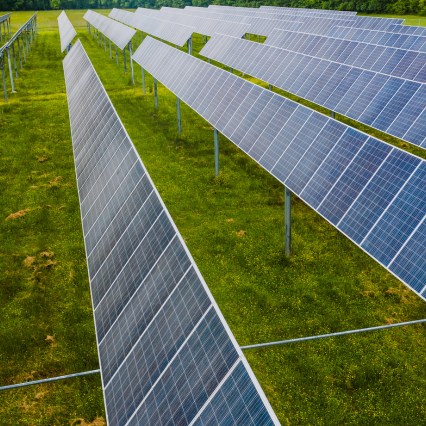
The UK’s renewable energy gridlock is fast becoming one of the most pressing issues in the nation’s path to net zero.
Today we discuss the UK’s renewable energy gridlock and can the grid keep up?
As the UK ramps up investment in offshore wind, solar, battery storage and hydrogen, a major bottleneck threatens to stall progress, the national grid infrastructure simply cannot keep up.
While the government sets ambitious climate targets and green energy developers build at speed, projects are increasingly delayed not by funding or policy, but by something more fundamental: getting connected to the grid.
A surging pipeline, a stalled network
The statistics tell a stark story:
- As of early 2024, over 600 GW of clean energy projects were stuck in the UK’s grid connection queue, more than four times the total UK electricity demand.
- Developers are now being told to expect connection dates as far out as 2037.
- The National Grid ESO has acknowledged that the existing system “wasn’t designed for today’s volume and complexity.”
The problem is especially acute for offshore wind, solar farms, and battery projects, all of which are being built faster than the grid can absorb.
Why the grid is struggling
Several structural issues are at play:
- Legacy infrastructure: Much of the UK’s transmission and distribution system was designed around centralised fossil fuel power stations, not decentralised wind and solar.
- Bureaucratic bottlenecks: National Grid’s “first come, first served” connection process has led to speculative applications clogging up the queue.
- Lack of workforce: The scale and complexity of upgrades needed require a skilled labour force that simply doesn’t exist in sufficient numbers yet.
This is more than a technical hiccup, it’s becoming a drag on the UK’s net-zero strategy, deterring investors and delaying projects that could deliver real carbon savings.
What’s being done?
Recognising the urgency, the UK government and grid operators are taking action:
- National Grid ESO’s ‘Five Point Plan’ aims to reform the connections process by fast-tracking viable projects and removing “zombie” applications.
- Ofgem is consulting on more flexible, agile grid regulation.
- The government’s “Connections Action Plan” promises to reduce average grid wait times by 90% by 2030.
Still, execution will be key. Infrastructure upgrades must happen at speed, and workforce gaps must be filled urgently.
Why this matters to employers and candidates
For employers:
- Project delays caused by grid hold-ups can impact revenue, investor confidence, and resource planning.
- Companies are increasingly seeking professionals with grid connection expertise, including electrical engineers, system planners, and regulatory specialists.
- Partnerships with recruitment agencies who understand both technical and policy frameworks are now vital.
For candidates:
- If you have experience in grid systems, DNOs, electrical engineering, or permitting, your skills are now in high demand.
- There’s also opportunity in policy, stakeholder engagement, and energy systems modelling: roles crucial to modernising the grid.
- As grid modernisation is now a national priority, career prospects in this niche are set to grow rapidly.
The future: digital, flexible, smart
The future grid will be bigger AND smarter. Key themes to watch:
- Grid digitalisation and real-time optimisation
- Vehicle-to-grid (V2G) and decentralised battery systems
- Smart demand response to balance intermittency
- Private wire networks and local energy markets
Those who understand these shifts (and build the right teams around them) will be the real winners of the UK’s green energy transformation.
Ready to power up your future?
At Alexander Associates, we help drive the energy transition.
Whether you’re building a grid-facing project or have expertise in grid strategy, our green energy team is ready to connect you with the right people and opportunities.
Whether you’re a company struggling to find the right talent to navigate grid challenges, or a candidate looking to break into one of the UK’s fastest-growing sectors, we’re here to help.
Clients: Speak to our energy infrastructure specialists about how we can support your hiring goals across HV engineering, grid compliance, and technical project delivery.
Candidates: Discover opportunities across the renewable energy sector – from grid infrastructure to digital power innovation. Whether you bring direct experience or transferable skills, we’ll help you make a successful transition into this vital industry.
Contact us today to start the conversation and let’s build the grid of tomorrow, together
recruit@alexander-assoc.co.uk
01959 562 572
If you enjoyed this article discussing the UKs renewable energy gridlock, and would like to read more, explore our content hub, where we’re regularly updating industry-related newsadvice.