
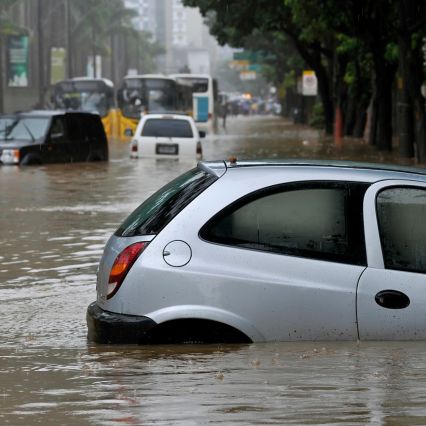
The UK’s flood risk is growing — and our water infrastructure can’t cope.
The United Kingdom is facing a major flood risk crisis. A new report has revealed that millions more homes across England, Scotland, and Wales are now at risk of flooding — a threat driven by climate change, rapid urban development, and outdated water infrastructure.
“The findings are stark,” said Jason Storah, chief executive for UK & Ireland general insurance at Aviva, which published the analysis. “Millions more properties will be at risk from flooding, with rising temperatures, increased urbanisation and inadequate drainage.”
According to the findings, every constituency is projected to be at greater risk, with the number of properties exposed to significant flood danger rising from 6.3 million today to more than 8 million by 2050. In some regions, the situation is so severe that towns could become uninsurable — or even uninhabitable — within just a few decades.
This isn’t just about heavy rain. It’s about how Britain’s ageing drainage systems, overwhelmed sewer networks, and underfunded water utilities are failing to protect communities from increasingly extreme weather.
Why UK flooding is getting worse
Rising flood risk isn’t caused by one single factor — it’s the result of multiple pressures converging at once:
- Ageing water infrastructure: Much of the UK’s water and sewer network was built over a century ago. These Victorian-era systems were never designed for today’s rainfall patterns or population size.
- Climate change: More frequent and intense storms are overloading drainage systems, causing flash flooding in towns and cities.
- Urbanisation: Concrete and tarmac reduce the land’s natural ability to absorb water, increasing surface runoff and putting more pressure on storm drains.
The result is a dangerous cycle: drainage systems become overwhelmed, rivers burst their banks, and homes and businesses flood — often with contaminated wastewater.
Communities already on the frontline
The consequences of this rising threat are already being felt in towns across the UK. Tenbury Wells, a market town in Worcestershire, has become the first in the country to find that its public buildings are now uninsurable.
The town has historically suffered damaging floods about once a decade — but in the past six years, residents have been hit four times.
“We do feel abandoned,” said Lesley Davies, the deputy mayor of Tenbury council. “We are the blueprint for what could happen in the future – there may be other towns getting towards that situation, there are a lot of vulnerable towns on rivers all over.”
Tenbury’s situation is a warning for what could lie ahead if urgent action isn’t taken: more communities cut off from affordable insurance, reduced property values, and infrastructure so frequently damaged that it becomes uneconomic to repair.
The impact on homes, insurance, and the economy
The consequences of rising flood risk are severe — not just for property owners but for the wider economy:
- Rising insurance costs: As risk increases, insurers are either pulling out of high-risk areas or raising premiums dramatically. Some properties may become “uninsurable” within a decade.
- Damage to homes and communities: Flooding causes billions in damage every year, displacing families, destroying possessions, and devaluing properties.
- Public health concerns: Floodwater contamination poses health risks, while the stress and trauma of repeat flooding can lead to long-term mental health issues.
How the UK can reduce flood risk and protect homes
Experts agree that the UK needs a major investment in water infrastructure — and quickly. Tackling flood risk requires a mix of traditional engineering and innovative, nature-based solutions.
Here are the top priorities for action:
- Upgrade drainage and sewer systems: Replace ageing pipes and increase system capacity to handle higher rainfall volumes.
- Use nature-based solutions: Restore wetlands, build floodplains, and design green spaces that absorb and slow down water.
- Make urban planning climate-ready: Require new developments to include sustainable drainage systems (SuDS) and flood-resilient designs.
- Strengthen regulation and accountability: Ensure water companies invest adequately in infrastructure and are held responsible for resilience targets.
Lessons from the Netherlands: A blueprint for flood resilience
No country understands flood risk better than the Netherlands — and few have tackled it as effectively. With a third of its land below sea level, the Dutch have built one of the world’s most advanced water management systems, offering valuable lessons for the UK.
- Blending nature and engineering: The Room for the River programme allows rivers to overflow safely by relocating dikes, restoring floodplains, and designing parks that double as water storage during storms.
- Water-smart cities: Urban planning prioritises resilience, with permeable surfaces, rain gardens, and canals integrated into city design. New developments must include flood-resistant infrastructure from the outset.
- Community and long-term planning: Public awareness campaigns, local involvement, and strong government commitment — backed by guaranteed long-term funding — ensure a proactive approach that anticipates future climate challenges rather than reacting to disasters.
The result: despite facing extreme risk, the Netherlands has significantly reduced flooding impacts — proving that with smart planning and investment, even the most vulnerable nations can stay above water.
Building a climate-resilient future for the UK
Flooding is now one of the most pressing environmental threats facing the UK. But it’s also a solvable problem — if governments, regulators, and water companies act decisively.
Upgrading water infrastructure, embracing climate-resilient design, and investing in smarter drainage solutions could protect millions of homes and save billions in future costs.
The message is clear: climate change and outdated water systems are putting the UK at risk — but with the right action, we can turn the tide.
Partner with experts shaping the future of water
Tackling the UK’s growing flood risk isn’t just about infrastructure — it’s about people. The water sector needs skilled engineers, planners, and sustainability specialists to design and deliver the solutions that will protect our communities for generations to come.
At Alexander Associates, we connect industry-leading water companies with the talent they need to build a more resilient future.
Whether you’re hiring for critical infrastructure projects or looking for your next opportunity in the water sector, get in touch with our specialist team today to see how we can help.